Girdawari Haryana: What It Is & How to Check (2026)
Girdawari is the patwari's periodic record of who is actually cultivating or possessing a plot — here's what it covers in Haryana and how a buyer should use it.
Girdawari (गिरदावरी) is the patwari's season-by-season field record of who is cultivating or occupying a piece of land — separate from the ownership record (Jamabandi). For a buyer, it's one of the few documents that tells you who is actually on the ground, not just who the title says should be.
What is Girdawari
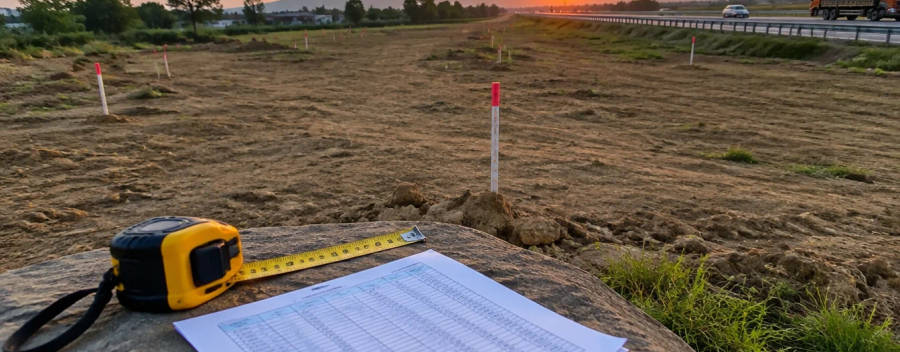
Girdawari is a periodic inspection carried out by the village-level revenue official — the Patwari (पटवारी) — who physically visits each khasra (field parcel) and notes the current crop, the cultivator's name, and the nature of possession for that season. The word comes from "gird-awari," roughly "going around" — it is literally a walk-the-fields exercise, repeated for the Kharif and Rabi crop seasons (and sometimes a third Zaid entry) every year.
Girdawari is a feature of the revenue system across most of North India, and Haryana's version works on the same basic logic as the patwari-led systems in Punjab, Uttar Pradesh, and the hill states, even though the local software and portals differ.
Who maintains the Girdawari record in Haryana
In Haryana, the Patwari prepares the Girdawari for every khasra in their circle during each harvest season, and the entry is counter-checked by the Kanungo and ultimately the Tehsildar during periodic inspections. The record sits inside the same revenue record-keeping chain that produces the Jamabandi (the Record of Rights) — Haryana's land records are computerised under the state's land-records system, accessible through the jamabandi.nic.in portal, which also powers the state's Jamabandi lookup.
Girdawari is not a public self-service lookup in the same way Jamabandi is. It is first and foremost a working field register kept at the Patwari's level (patwar khana) and formally reviewed at the tehsil. Treat a Girdawari check as something you request through the Patwari or tehsil record room, rather than something you can always pull up instantly online — confirm the current online availability for your specific tehsil on the portal before assuming otherwise.
What a Girdawari entry actually shows
- Khasra number — the specific field parcel the entry covers
- Season — Kharif (monsoon-sown) or Rabi (winter-sown), sometimes Zaid
- Crop grown — or "banjar" / fallow if left uncultivated that season
- Cultivator's name — who is actually working the land that season
- Nature of possession — owner self-cultivating, tenant/lessee cultivation, or other occupation noted by the patwari
- Area under the crop — the portion of the khasra actually sown, if less than the full area
Why it matters when you're buying land
A buyer typically looks at the Jamabandi to confirm ownership. Girdawari answers a different, equally important question: who is physically on the land right now, and is that consistent with what the seller told you.
- Possession evidence. If the Girdawari shows a tenant or a third party cultivating the plot — not the seller — that is a live occupancy issue to resolve before you pay anything.
- Tenancy and lease risk. Long-running tenant entries in the Girdawari can, over years, feed into tenancy-rights claims under state tenancy law. A buyer should know if someone other than the owner has been shown as cultivator for several consecutive seasons.
- Encroachment signal. A Girdawari that lists a neighbour, or an unrelated name, as the person in possession of part of the khasra is an early warning sign of boundary encroachment — worth walking the physical boundary before you proceed.
- Consistency check against the sale pitch. If a seller claims the land is vacant, fallow farmland ready for a farmhouse, but the Girdawari shows an active tenant crop, that's a mismatch worth raising directly.
Girdawari is supporting evidence, not a title document
Girdawari tells you who is on the land, not who legally owns it. Always read it alongside the Jamabandi (ownership) and the mutation history, never as a substitute for them.
Checking Girdawari online vs. at the tehsil
Haryana's land-records portal, jamabandi.nic.in, publishes Jamabandi (Record of Rights), mutation status, and property-registration services online. Whether a specific tehsil's current-season Girdawari is published as a direct public search on that portal varies, and we could not independently confirm a single statewide, always-on public Girdawari search page as of this writing — treat this as unconfirmed and check the portal's current menu for your district before relying on an online copy.
What is dependable everywhere in Haryana:
- Visit or write to the Patwari for the village the land falls in, quoting the khasra/khewat number, and request the current or a historical Girdawari extract.
- If the Patwari's copy is disputed or you need a certified extract for a transaction, escalate the request to the Tehsildar's office at the tehsil headquarters.
- Where the land-records portal does surface a Girdawari or crop-inspection view for your village, use it only as a quick preliminary check — rely on the Patwari/Tehsildar-issued copy for anything that will support a purchase decision or a legal filing.
Girdawari vs. Jamabandi — don't confuse the two
| Girdawari | Jamabandi |
|---|---|
| Season-by-season possession and crop record | Standing Record of Rights — ownership, khewat/khata, area |
| Updated every crop season by the Patwari | Updated periodically (traditionally every 4-5 years) and on each mutation |
| Evidence of who is physically on the land | Evidence of who legally owns and holds rights in the land |
| Checked at the Patwari/tehsil level | Searchable online via the Jamabandi portal |
For the ownership side of this, see our guide to the Haryana Jamabandi portal.
Red flags a Girdawari entry can reveal
- A cultivator name that never matches the seller or the Jamabandi owner, season after season
- Entries marked "banjar" (fallow) for many consecutive seasons on land pitched to you as productive farmland
- A sudden change of cultivator right before the sale is proposed, with no documentation of why
- Area under crop that is consistently smaller than the khasra's recorded area, which can point to an encroachment eating into the plot